The great designers

Cini Boeri for Arflex
the icons available at Mariani in Milan

21 August 2026 · Designer portrait · 8 min read · By Mariani Design
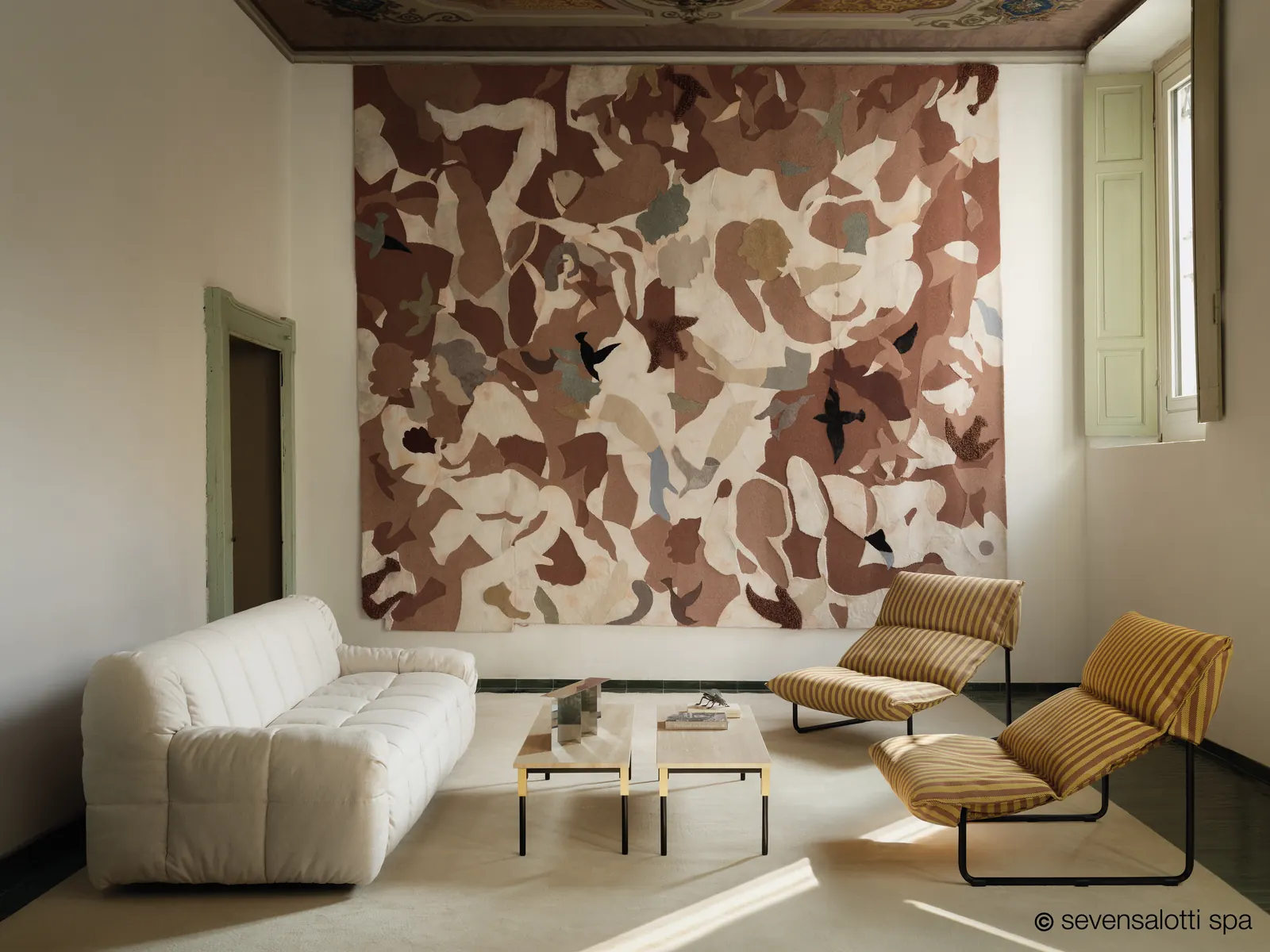
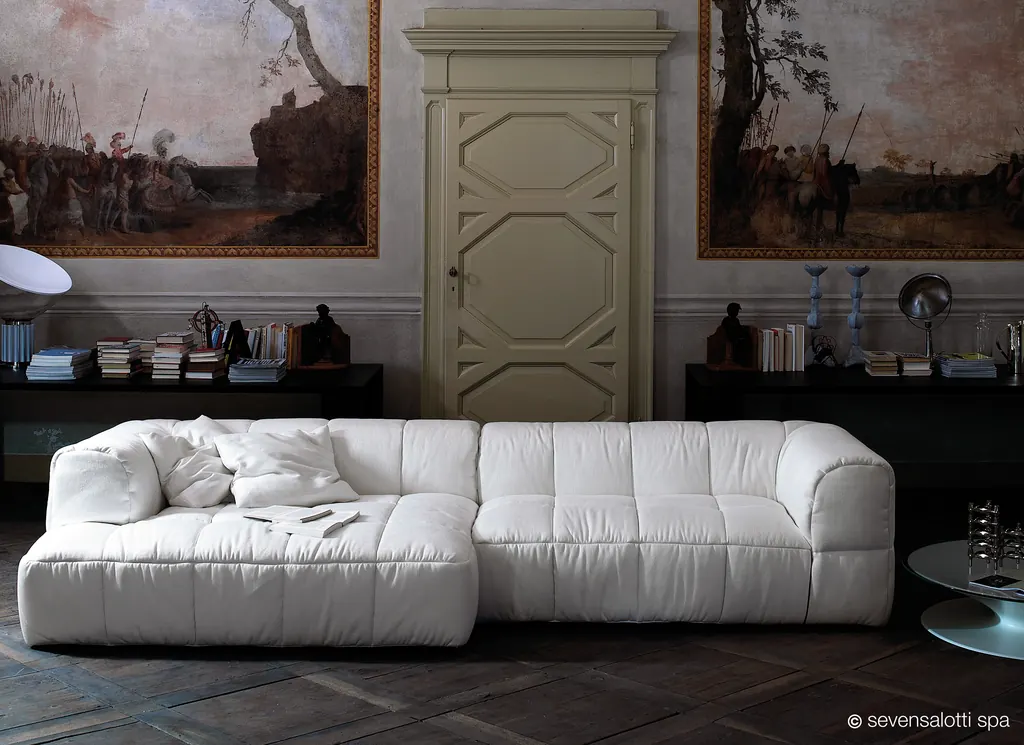
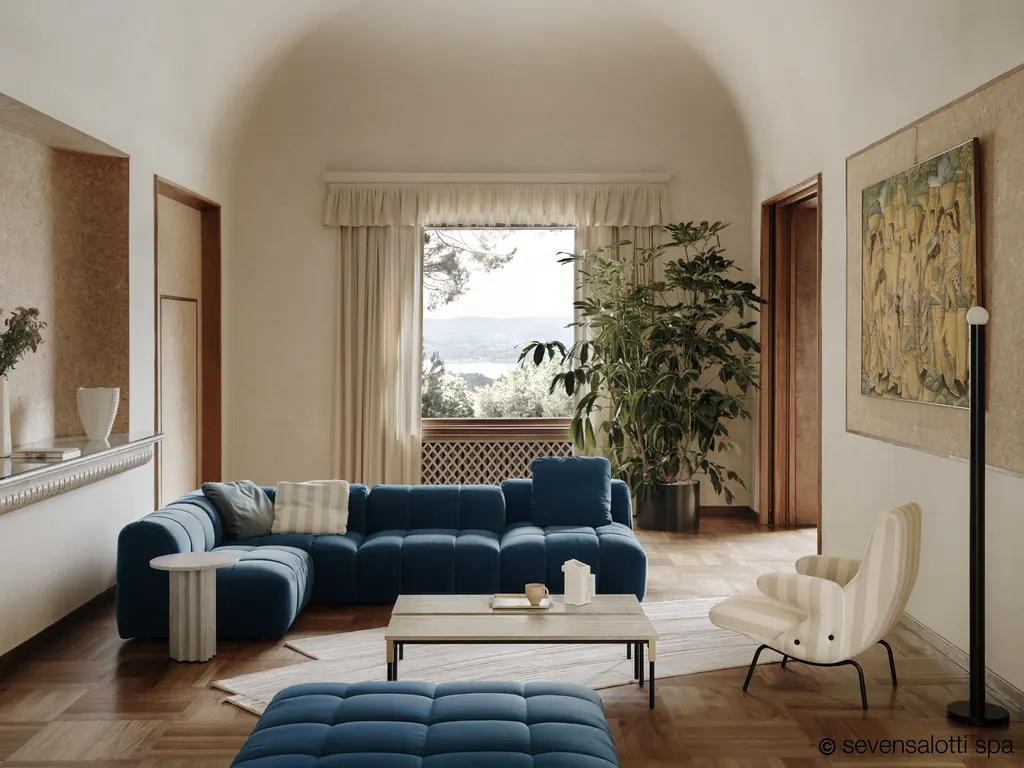
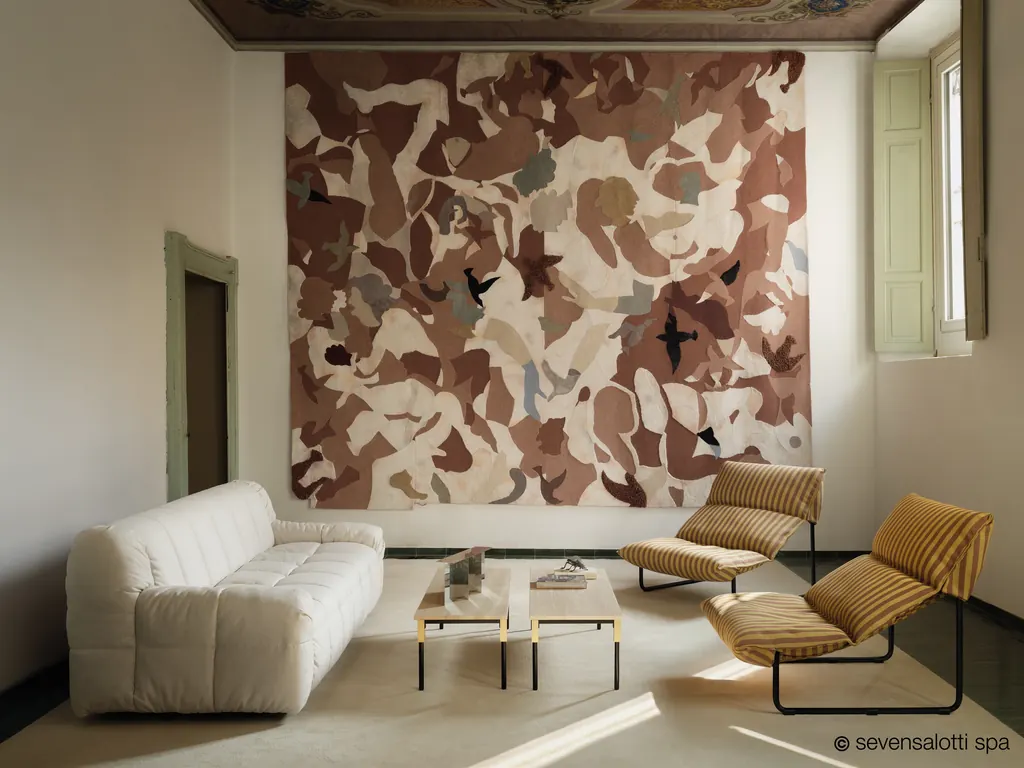
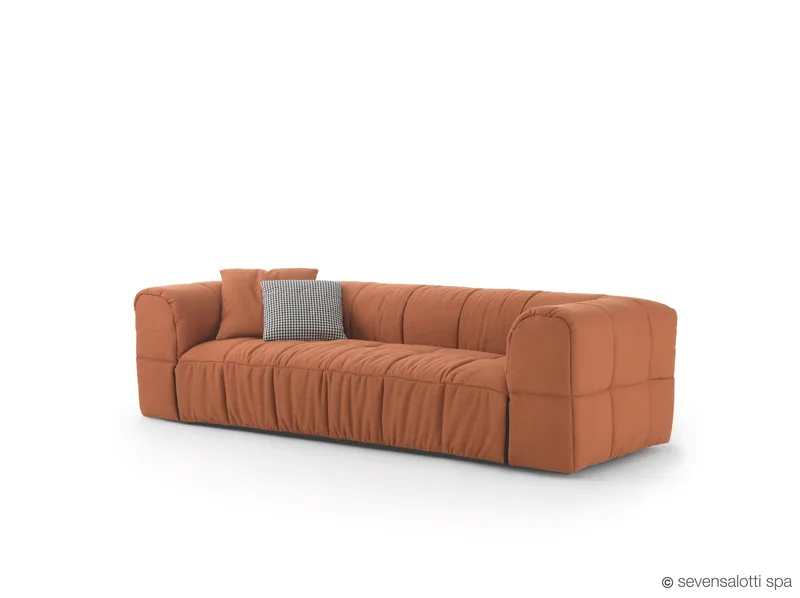
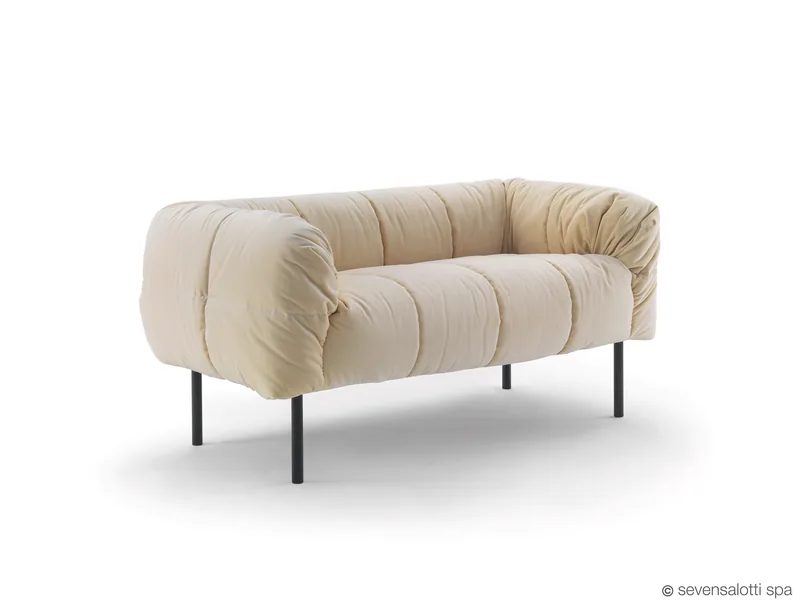
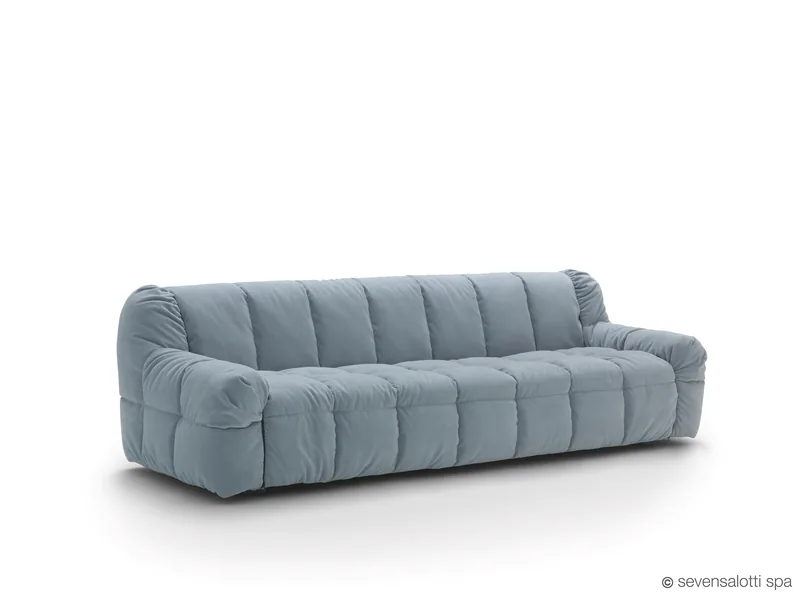
Strips sofa by Cini Boeri for Arflex with its signature removable quilted cover

Strips, Cini Boeri's duvet-sofa for Arflex: Compasso d'Oro ADI in 1979, still in the catalogue today.

Some designers created beautiful objects; a few changed the way we live at home. Cini Boeri belongs to the second family. Her seating for Arflex — Bobo, Serpentone, Strips, Botolo — rewrote the rules of Italian upholstered furniture, and fifty years on it is still in production. Here at Mariani — authorised Arflex and FIAM retailers in Milan, in the heart of San Babila — we tell their stories one by one. And then, naturally, we invite you to come and try them.

Who was Cini Boeri, in short

Maria Cristina Mariani Dameno, known to everyone as Cini Boeri, was born in Milan in 1924 and left us in 2020, after a career spanning almost seventy years. An architecture graduate of the Politecnico di Milano, she trained in the circle of Gio Ponti and worked for years alongside Marco Zanuso, one of the most fertile workshops of postwar Italian design. In 1963 she opened her own studio — a bold move for a woman in a profession that was then almost exclusively male.

Her method became proverbial: start from how people live, not from how things look. Homes designed for real people; objects that move, transform and adapt. It was with this outlook that she met Arflex — the Brianza company that had been experimenting with polyurethane foam since 1947 — and created a series of seats that today sit in museums but were born to sit in homes. You'll find many of them in our guide to Arflex in Milan.

Design for real life, not for the photograph: that is Cini Boeri's lesson, and it is why her pieces have never grown old.

Armchair · Arflex · 1967Bobo, the seat with no skeleton

In 1967 Cini Boeri signed a small manifesto for Arflex: the Bobo, an armchair made from a single block of polyurethane foam with no rigid internal frame at all. No wood, no metal: just shaped foam and upholstery. It sounds like a technical detail; it was a revolution — seating became light, informal, democratic, something you move with one hand, a shape that follows the body instead of imposing a posture on it.

Boborelax armchair by Cini Boeri for Arflex, the reclining evolution of the polyurethane Bobo

Boborelax, the reclining evolution of the Bobo family — in the Arflex catalogue.

From the same idea came Boborelax, the version with a reclining backrest that Arflex still produces today. Sitting on a Bobo, you understand in a second what "living freely" meant at the end of the Sixties.

Sofa · Arflex · 1971Serpentone, the endless sofa

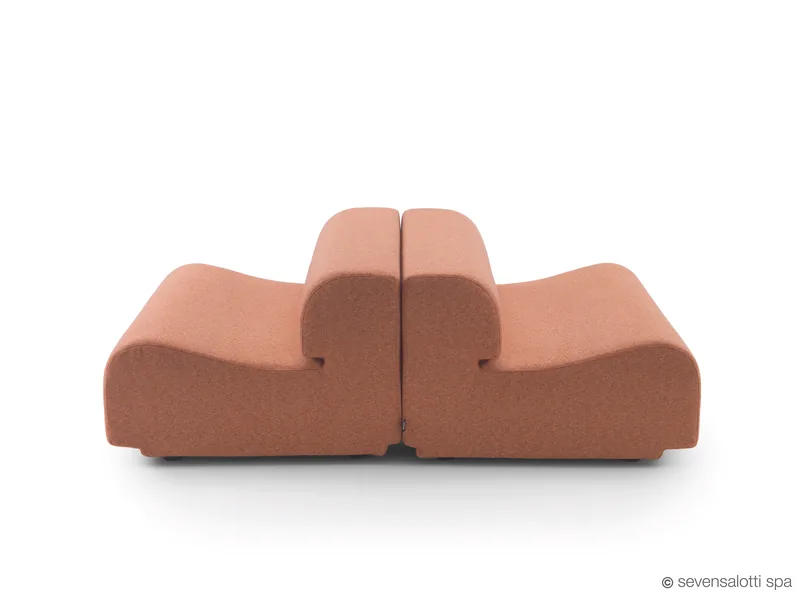
Four years later came her most radical idea: the Serpentone (1971), a polyurethane-foam sofa conceived as a continuous ribbon of soft sections, designed to be as long as you need and to curve with the space, wave after wave. Not a finished object but an open system: an idea of collective seating, almost a domestic landscape, decades ahead of today's free-form compositions.

The Serpentone is now a collector's and museum piece, and it is the key to Boeri's whole body of work: form is never a whim, it is the consequence of a way of using things. If the modular seating of that era fascinates you, have a look at the Marenco sofa by Arflex too — a contemporary of the Serpentone, still in production.

Seating system · Arflex · 1972 · Compasso d'Oro 1979Strips, the duvet-sofa that won the Compasso d'Oro

And so to the masterpiece. Strips (1972, designed with Laura Griziotti) is the sofa that looks like a duvet: a family of sofas, armchairs and beds wrapped in a fully removable quilted cover, closed with zips, that comes off and washes like a piece of clothing. An idea so right — visual comfort, real practicality, modularity — that in 1979 it earned Arflex and Cini Boeri the Compasso d'Oro ADI, the most authoritative prize in industrial design.

Strips modular sofa by Cini Boeri and Laura Griziotti for Arflex, removable quilted cover with zips

Strips: the zipped quilt comes off completely. In production since 1972.

Fifty years on, Strips is still in the catalogue, still current, still one of the most requested sofas in our showrooms. We've dedicated a full page to its story and available configurations: the Strips sofa at Mariani.

Armchair · Arflex · 1973Botolo, the sculptural little armchair

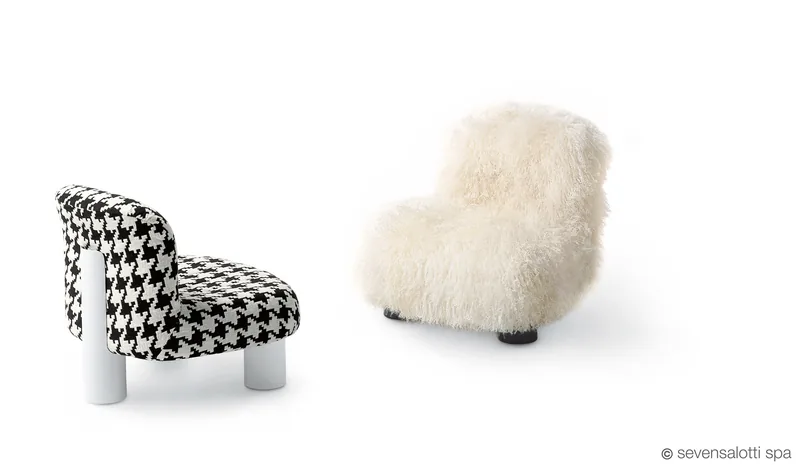
The Botolo (1973) proves that an icon can fit in eighty centimetres: a compact, sculptural small armchair built on an instantly recognisable cylindrical geometry, available in a low or high version and on a swivel base. Its name — an affectionate Italian word for a small, stout dog — says everything about its character: small, loyal, present.

Botolo armchair by Cini Boeri for Arflex, compact seat on a swivel base

Botolo: a tiny footprint, an enormous character. In the Arflex catalogue.

It's the piece we recommend to anyone who wants to enter Cini Boeri's world without redoing the living room: next to an important sofa, in the bedroom, in a study. It changes the tone of a room in a single gesture.

Armchair · FIAM Italia · 1987Ghost, the glass armchair (yes, glass)

The last icon in this story is not for Arflex but for FIAM Italia, the curved-glass masters from Tavullia. In 1987, together with the young Japanese designer Tomu Katayanagi, Cini Boeri signed the Ghost: an armchair obtained from a single sheet of curved glass, transparent, seemingly impossible. A boundary-pushing object that showed the world what Italian glass technology could do — today on display in design collections across the globe.

Why mention it here? Because Mariani is also an authorised FIAM Italia retailer: the Ghost, along with FIAM's curved-glass tables and mirrors, can be ordered from us with official warranty. The brand's dedicated page is FIAM Italia at Mariani.

Cini Boeri in five dates

1924 — born in Milan; studies architecture at the Politecnico.

1963 — opens her own studio after the years with Gio Ponti and Marco Zanuso.

1967–1973 — designs Bobo, Serpentone, Strips and Botolo for Arflex.

1979 — Compasso d'Oro ADI for the Strips system.

1987 — signs the Ghost armchair for FIAM with Tomu Katayanagi.

Come and see them at Mariani

Icons can be admired in books, but they are chosen in person. At Mariani Design — authorised Arflex and FIAM Italia retailers since 1928 — Cini Boeri's pieces are not a catalogue image: you try them, touch them, configure them to measure. And our work doesn't end at the sale:

To get started, write to us via the contact page or come straight to the Milan San Babila showroom or to the historic Arluno space.

Frequently asked questions

Where can I see Cini Boeri's pieces in Milan?

At Mariani Design, authorised Arflex and FIAM Italia retailer: Milan San Babila showroom (Via Uberto Visconti di Modrone 8/a) and Arluno showroom (Via Guglielmo Marconi 12). The display rotates: message us on WhatsApp first and we'll tell you which pieces are on show at the moment.

Are Cini Boeri's Arflex icons still in production?

Yes: Strips, Botolo and other historic pieces by the designer are part of the current Arflex catalogue, made in Italy with a choice of upholstery and finishes. As authorised retailers we have access to every available configuration, with official warranty.

Does Mariani also sell FIAM's Ghost armchair?

Yes. We are also authorised FIAM Italia retailers: the curved-glass Ghost — like the brand's tables and mirrors — can be ordered from us, with official warranty and placement by our in-house team.

How do delivery and assembly work?

With our in-house team, never subcontractors: site inspection where needed, protected transport, installation and packaging removal. That goes for modular sofas like Strips and, all the more, for delicate pieces like the Ghost.

Our showrooms and opening hours

Arflex setting in the Mariani Design showroom in Milan San Babila

The Arflex collections in the Mariani settings — Milan San Babila showroom.

Milan · San Babila

Via Uberto Visconti di Modrone, 8/a

Mon–Fri 10:30–18:30 (non-stop)
Closed Saturday and Sunday

In the heart of the Design District, 3 minutes from the MM2 metro. Private parking on request.

Open in Google Maps →

Arluno

Via Guglielmo Marconi, 12

Mon 15:00–19:30
Tue–Fri 9:00–12:30 / 15:00–19:30
Sat 9:00–12:30 / 15:00–18:00
Closed Sunday

The historic Mariani space, a few minutes from west Milan.

Open in Google Maps →

Want to try a Cini Boeri icon?

Book a showroom visit

We're waiting for you in Milan San Babila (Mon–Fri 10:30–18:30 non-stop) or in Arluno. Message us on WhatsApp: we'll tell you which Cini Boeri pieces are on display, configurations and timing, and if you like we'll book the parking.

Message us on WhatsApp